
Sponsors & Exhibitors
overview
As infusion therapy becomes increasingly essential for managing chronic diseases, cancer care and specialty medications, healthcare organizations face critical decisions about infusion center models, regulatory compliance, reimbursement optimization and operational efficiency. Whether operating hospital-based centers, ambulatory infusion suites, freestanding facilities or FQHC-affiliated programs, leaders must navigate complex regulatory frameworks while maintaining financial viability in an environment of rising drug costs and evolving payment models.
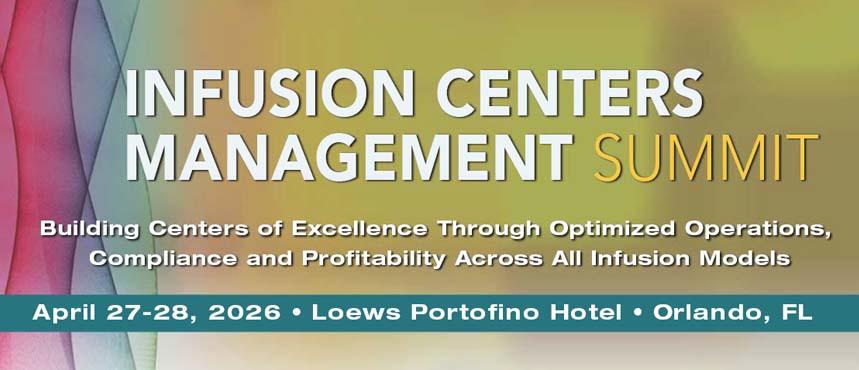
Business Research Intelligence Network presents the Infusion Centers of Excellence Summit, bringing together infusion center directors, pharmacy leaders, nursing executives and financial managers to explore proven strategies for building successful infusion programs across diverse organizational models and regulatory settings.
The summit aims to equip healthcare organizations with practical knowledge to optimize infusion center operations, ensure regulatory compliance and drive sustainable financial performance. Our speakers will share real-world strategies for navigating differences between ambulatory infusion centers and ambulatory infusion suites, maximizing reimbursement across payer types, building effective staffing models, managing specialty drug supply chains and creating exceptional patient experiences.
Join us as we tackle the operational challenges unique to infusion care delivery and explore innovative approaches to thriving in this complex but rewarding healthcare sector. This is an essential event for leaders serious about building centers of excellence that deliver outstanding clinical outcomes and strong financial results.
Agenda
7:15am – 8:00am
Conference Registration & Networking Breakfast
8:00am – 8:15am
Chairperson's Opening Remarks
8:15am – 9:00am
Understanding Infusion Center Models: Hospital-Based, Freestanding, Physician Office and FQHC
Not all infusion centers are created equal, and understanding the regulatory and operational differences between models is crucial for success. This session breaks down the landscape:
- Key distinctions between hospital-based infusion centers, ambulatory infusion centers (AIC), ambulatory infusion suites (AIS), freestanding facilities and physician office-based programs
- Regulatory requirements and accreditation standards that vary by model including state licensure, deemed status and Medicare certification
- Financial considerations including capital requirements, overhead costs and revenue potential across different organizational structures
- Strategic advantages and limitations of each model helping you determine which approach best fits your organization's goals and patient population
9:00am – 9:45am
AIC vs AIS: Navigating Critical Regulatory Differences That Impact Your Operations
Confused about the difference between ambulatory infusion centers and ambulatory infusion suites? You're not alone. This session clarifies the regulatory distinctions and what they mean for your day-to-day operations including Medicare conditions for coverage, state health department oversight differences, staffing and supervision requirements, and how designation affects reimbursement rates and prior authorization processes. You'll learn when centers may qualify for one designation versus another, documentation requirements that vary between models, and common compliance pitfalls that can trigger survey deficiencies or payment denials. Understanding these differences is essential for proper licensing, avoiding regulatory issues and optimizing your revenue potential.
9:45am – 10:15am
Networking & Refreshments Break
10:15am – 11:00am
Reimbursement Strategies Across Payer Types: Medicare, Medicaid, Commercial and More
Let's talk about getting paid properly for the complex care you deliver. This session tackles reimbursement challenges unique to infusion centers:
- Medicare Part B drug and administration billing including proper coding, modifier usage and documentation requirements that support medical necessity
- Commercial payer contracting strategies to negotiate favorable rates, understanding fee schedules and addressing common denial reasons
- Medicaid reimbursement variations by state including managed care considerations and supplemental rebate programs
- Site-of-care differentials and how location impacts payment rates, patient out-of-pocket costs and payer steerage programs
11:00am – 11:45am
Infusion Revenue Cycle Excellence: From Verification to Final Payment
Revenue cycle challenges can make or break your center's financial performance. This session walks through the entire process with practical strategies for each stage including pre-treatment insurance verification and benefits investigation, prior authorization management and appeals processes when denials occur, accurate charge capture and coding for both drugs and administration, clean claims submission and denial prevention tactics, and patient financial counseling and collections. Learn how to reduce days in accounts receivable, improve clean claim rates and minimize write-offs through better processes, staff training and technology utilization.
11:45am – 12:30pm
Building and Retaining Your Infusion Team: Staffing Models That Work
Staffing challenges keep infusion center leaders up at night. This session addresses recruitment, retention and workforce optimization:
- Determining optimal nurse-to-patient ratios based on acuity, treatment mix and physical layout
- Creative recruitment strategies for infusion nurses, pharmacists and support staff in competitive markets
- Compensation and benefits approaches that attract top talent without breaking your budget
- Training and onboarding programs that get new staff up to speed quickly while maintaining quality and safety
- Retention tactics including career development, work-life balance and creating positive workplace culture
12:30pm – 1:30pm
Luncheon
1:30pm – 2:15pm
FQHC-Affiliated Infusion Programs: Billing, Compliance and Operational Considerations
FQHCs face unique challenges when adding infusion services. This session cuts through the complexity of operating infusion programs in the FQHC setting including Prospective Payment System (PPS) implications and when infusion services fall inside versus outside the PPS rate, proper billing approaches for separately billable drugs and administration services, compliance considerations unique to FQHC designation including sliding fee scales and governance requirements, and strategies for making infusion services financially viable within FQHC reimbursement constraints. We’ll explore practical approaches for structuring programs, documenting appropriately and working with payers to ensure proper payment for services delivered to your vulnerable patient population.
2:15pm – 3:15pm
Panel: Diversifying Site of Care – Hospital Outpatient, Office-Based and Home Infusion Integration
Smart infusion programs are diversifying where they deliver care based on patient needs, clinical appropriateness and financial considerations. This panel brings together leaders managing multiple infusion sites to discuss:
- Decision frameworks for determining optimal site of care for different therapies, patient populations and payer types
- Operational models for integrating hospital outpatient departments, office-based infusion suites and home infusion services
- Technology platforms and workflows that enable seamless care coordination across multiple sites while maintaining safety and quality
- Financial performance comparisons across sites including contribution margins, overhead costs and strategies for steering appropriate volume to each setting
- Patient experience considerations and communication strategies when moving patients between care settings
3:15pm – 3:45pm
Networking & Refreshments Break
3:45pm – 4:30pm
Freestanding Infusion Centers: Business Models, Market Positioning and Growth Strategies
Independent and freestanding infusion centers are capturing market share from hospitals. This session explores what makes them successful including capital requirements and financial pro formas for launching freestanding facilities, market analysis and site selection strategies that identify underserved areas and favorable payer mix, competitive positioning against hospital-based centers and physician practices, and business development tactics for building physician referral networks and payer contracts. Learn how freestanding centers are differentiating through patient experience, convenience and cost-effectiveness while maintaining clinical quality that earns physician confidence.
4:30pm – 5:15pm
Specialty Drug Management: Procurement, Supply Chain and Waste Reduction
Specialty drugs represent your biggest cost and greatest financial risk. This session tackles procurement and management challenges:
- Buy-and-bill versus alternative specialty pharmacy models including financial trade-offs and operational implications
- Vendor selection and negotiation tactics for specialty drugs, securing favorable pricing and payment terms
- Inventory management approaches that balance drug availability with minimizing waste and carrying costs
- Drug shortage management including identifying alternatives and communicating with patients and providers
- Waste reduction strategies for expensive biologics including dose rounding, vial sharing and proper handling
5:15pm
End of Day One
7:15am – 8:00am
Networking Breakfast
8:00am – 8:15am
Chairperson's Remarks
8:15am – 9:00am
Clinical Pharmacy Integration: Optimizing Therapy Selection, Safety and Outcomes
Pharmacists are underutilized assets in most infusion centers. This session explores expanding clinical pharmacy roles including pharmacist-led patient consultations, therapy monitoring and side effect management, drug interaction screening and dose optimization protocols, collaborative practice agreements that allow pharmacists to adjust therapy within approved parameters, and medication reconciliation processes that catch errors before they reach patients. You'll discover how to build the business case for dedicated infusion pharmacists through measurable improvements in safety, reduced waste and enhanced physician satisfaction with your center.
9:00am – 9:45am
Compliance, Accreditation and Preparing for Regulatory Surveys
Regulatory compliance isn't optional, and survey deficiencies can shut you down. This session covers what you need to know:
- Accreditation requirements and choosing between Joint Commission, AAAHC, ACHC or other accrediting bodies
- Medicare conditions for coverage and state licensure requirements that surveyors assess
- Documentation standards including physician orders, nursing assessments, patient education and informed consent
- Infection control, medication safety and quality assurance program requirements
- Mock survey preparation and addressing deficiencies when identified
9:45am – 10:15am
Networking & Refreshments Break
10:15am – 11:00am
Infusion Suite Design and Patient Flow Optimization
Your physical space impacts both patient experience and operational efficiency. This session explores evidence-based design principles for infusion centers including optimal chair configurations, private rooms versus open bays and flexible space planning, patient flow strategies that minimize wait times and maximize chair utilization, technology integration including infusion pumps, EMR workstations and patient entertainment, and creating healing environments through lighting, noise control, comfort amenities and family-friendly spaces.
11:00am – 11:45am
Quality Metrics and Performance Measurement: Tracking What Matters
You can't improve what you don't measure. This session identifies the metrics that drive infusion center success including operational indicators like chair utilization, patient wait times, on-time starts and throughput, clinical quality measures such as infection rates, extravasation incidents and medication errors, patient satisfaction scores and strategies for capturing meaningful feedback, and financial performance metrics including revenue per chair, contribution margin by therapy type and cost per treatment. Explore benchmarking strategies, data collection approaches and how to use metrics to drive continuous improvement.
11:45am – 12:30pm
Emerging Therapies and Preparing Your Center for New Treatment Modalities
The infusion therapy pipeline is robust with new medications constantly entering the market. This session looks ahead to prepare your center. Topics to be discussed include:
- Overview of emerging therapies in oncology, immunology, neurology and rare diseases
- Operational implications including administration requirements, monitoring protocols and staff training needs
- Reimbursement landscape for new therapies and payer coverage trends
- Infrastructure and equipment requirements for novel delivery methods
- Strategic planning for adding new service lines and therapeutic areas
12:30pm
Conference Concludes
12:45pm – 2:45pm
Workshop: Building Your Infusion Center Strategic Roadmap
This hands-on workshop helps you develop actionable plans for your center's growth and optimization. Through facilitated exercises, participants will:
• Conduct SWOT analysis of your current infusion program identifying strengths to leverage and gaps to address
• Define strategic priorities including growth opportunities, operational improvements and financial goals
• Develop implementation roadmaps with specific initiatives, timelines, resource requirements and accountability
• Create measurement frameworks to track progress toward goals and demonstrate value to leadership
You'll leave with a draft strategic plan, templates for ongoing planning and peer connections to support your journey toward infusion center excellence.
From Hospitals/Health Systems/Ambulatory Infusion Centers/Home Infusion Pharmacies/Home Health Providers
* Medical Director
* Clinical Pharmacist
* Operations
* CFO
* COO
* Nursing Director
* Clinical Operations
* RN
* Patient Education
* Reimbursement Director
* Infusion Manager
* Infusion Clinical Manager
* Clinical Director
* Clinical Supervisor
* Patient Services
* Revenue Officer
* Ambulatory Infusion
* Perioperative Services
* Marketing Directors
Also of Interest to Vendors/Suppliers/Service Providers/Pharmaceutical Companies
Sponsors & Exhibitors

Global Medical Response (GMR) delivers comprehensive emergency medical services to over five million patients annually. Our extensive network of ground and air clinical teams ensures the right level of care at the right time and place, regardless of the situation. With a focus on patient care and emergency response. GMR stands out as a leader in the emergency medical services industry. Our main focus with health system partners is utilizing our proprietary online ordering technology paired with our Concierge Model Solution that is aimed to improve patient throughput, decreases length of stay, and elevate patient satisfaction.


Tucuvi is an AI Care Management platform for healthcare organizations, designed to help Care Management teams actively deliver care at scale using Voice AI for phone calls.
Tucuvi's platform automates and orchestrates high-volume clinical and care coordination workflows end to end, from scheduling to Transitions of Care, helping healthcare organizations move beyond isolated automation to truly proactive care management.
It integrates autonomous Voice AI agents (LOLA), with workflow logic, escalation, documentation, and seamless integration into existing health system infrastructure, supporting patient phone interactions and escalating to clinical teams when needed.
Discover more at: https://www.tucuvi.com
Featured Speakers
Coming Soon!
Venue
Loews Portofino Bay Hotel
5601 Universal Blvd.
Orlando, FL 32819
407-503-1000
Mention BRI Network for the Discounted rate of $299/night