


Days
Hours
Minutes
Seconds

overview

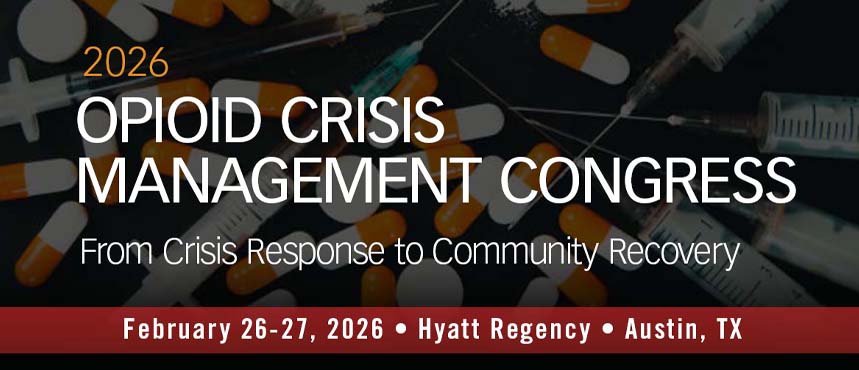
The opioid crisis continues to evolve, presenting new challenges for communities across America as synthetic drugs like fentanyl reshape the landscape of addiction and overdose prevention. While national statistics suggest some progress with recent decreases in overdose deaths, local leaders report ongoing struggles with inadequate resources and persistent community impact. As federal funding faces uncertainty and opioid settlement dollars become available, stakeholders need practical strategies for maximizing limited resources while building sustainable recovery ecosystems.


Business Research Intelligence Network’s Opioid Crisis Management Congress brings together public health leaders, healthcare providers, law enforcement officials and community advocates to explore innovative approaches for addressing the multifaceted challenges of opioid addiction and overdose prevention. This gathering will showcase evidence-based interventions, settlement fund management strategies and community-driven solutions that are making measurable differences in reducing overdose deaths while supporting long-term recovery.


From mobile crisis response teams saving lives on the street to innovative uses of settlement funding that transform entire communities, this program solutions that are working right now in cities and towns across America. Participants will connect with peers who have successfully navigated federal funding uncertainties, built sustainable MAT programs and created coalitions that tackle the root causes of addiction. The focus remains squarely on practical implementation – turning evidence-based strategies into real-world programs that reduce overdose deaths while building pathways to recovery and community healing.

Agenda

7:15am – 8:00am
Registration & Networking Breakfast

8:00am – 8:15am
Welcome & Opening Remarks

8:15am – 9:00am
The Future of Recovery: Responding to an Evolving Addiction Crisis Amid Shifting Policy and Funding Landscapes: Navigating the Path Forward
As addiction treatment faces new pressures and possibilities, this training offers a timely look at where we are—and where we’re headed. This training explores the rapidly evolving landscape of addiction treatment in the context of shifting policies and funding structures. Participants will gain insights into current challenges, emerging treatment models, and the regulatory shifts that align with the evolution of addiction treatment and recovery support. This change is happening in the context of significant legislative and financial changes on service delivery. Learn how changes in policy and funding are reshaping the field and discover innovative approaches to care that meet the moment. Designed for clinical leaders, policymakers, and providers, the session will highlight strategies for adapting to change while maintaining quality care and improving outcomes.

Lisa Blanchard, MA, LMHC
Chief Clinical Officer
Spectrum Health

9:00am – 9:45am
Rewriting the Playbook- Health and Justice United in the Modern Drug Era
For more than fifty years, the “War on Drugs” shaped U.S. criminal justice and public health policy, often at odds with one another. Today, a new paradigm is emerging. This session explores how justice systems and health systems are joining forces to confront the community harm caused by the drug epidemic with evidence-based, person-centered strategies. Attendees will gain insight into emergent illicit drug trafficking tactics and how social media and the dark web are replacing traditional street-level drug sales. They will also come away with an understanding of novel substances, including fentanyl analogues, and their impact on overdose death numbers and how these are shaping approaches to treatment.  We will discuss innovative collaborations between justice professionals and medical providers that are rewriting the playbook for the modern drug era.

Colleen Lane, MD FASAM
Medical Director - Addiction Medicine
Corewell Health West

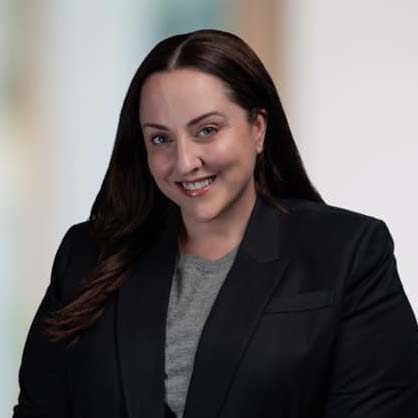
Erin K. Lane
Attorney at Law
Miller Johnson

9:45am – 10:15am
Networking & Refreshments Break

10:15am – 11:00am
Iatrogenic Opioid Use Disorder: Identification, Prevention, and Multidisciplinary Treatment in the Hospital and Beyond.
Iatrogenic opioid use disorder can develop when opioid exposure during hospitalization leads to persistent use, misuse, or dependence, especially in patients with risk factors such as prior substance use, psychiatric comorbidity, or prolonged high-dose therapy. Early identification requires routine, nonstigmatizing screening, careful review of opioid exposure and risk, and monitoring for signs of withdrawal or escalating use. Prevention focuses on multimodal analgesia, opioid-sparing protocols, clear patient education, and standardized prescribing limits with MME checks. Multidisciplinary treatment includes initiation or continuation of medications for opioid use disorder, symptom-directed withdrawal management, harm-reduction measures, behavioral and social supports, and coordinated discharge planning to ensure continuity of care.

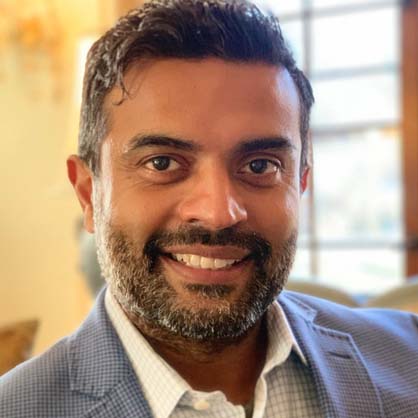
Harish Nair
Opioid Stewardship Pain Management Pharmacist
Indiana University Health 

James David Ryser, MA, LMHC, LCAC, TTS
Retired Executive Director of Chronic Pain & Chemical Dependence Programs
IU Health Hospital

11:00am – 11:45am
Medication-Assisted Treatment Expansion: Breaking Down Barriers and Building Access
Despite evidence that medications like buprenorphine and methadone dramatically reduce overdose risk, many communities still struggle with access barriers and provider shortages. This session explores innovative approaches to MAT expansion including mobile treatment units, primary care integration models and pharmacy-based programs that bring treatment directly to patients. Discover strategies for overcoming regulatory hurdles, training healthcare providers and building sustainable treatment capacity in underserved areas.

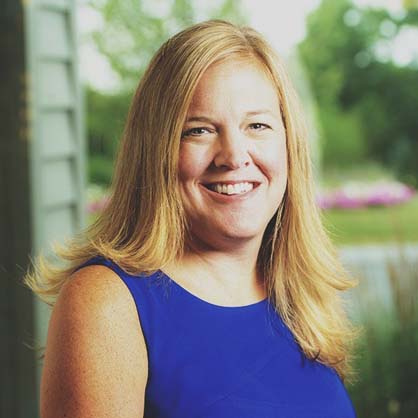
Kristin Nolan, MA, MBA
Chief Operating Officer
Spectrum Health Systems

11:45am – 12:30pm
Addressing the Opioid Crisis: Safer and Effective Opioid Prescribing
The Opioid Crisis has cost the lives of many thousands over the last two decades. The roots of the Crisis are numerous. Physician management of pain, and appropriate opioid prescribing, when indicated, has improved. This presentation will analyze updated CDC opioid prescribing guidelines and compare with prior 2016 CDC guidelines; discuss risks / benefits of opioid medications and of dangerous medication combinations and identify and analyze “red flags” for potential controlled substance abuse / diversion by patients.

Timothy Munzing, M.D.
Family Physician, Medical Subject Matter Expert – DOJ, FBI, DEA
Medical Board of California

12:30pm – 1:30pm
Networking Lunch

1:30pm – 2:15pm
Crisis Response Innovation: Mobile Teams, Warm Handoffs and Emergency Interventions
Emergency departments and first responders are implementing new approaches to overdose response that connect people to treatment immediately rather than waiting for them to seek help. This operational sessionexplores mobile crisis response teams, peer recovery specialists in emergency settings and rapid access programs that capitalize on overdose events as opportunities for engagement. Discover how innovative communities are transforming crisis moments into recovery entry points while reducing repeat emergency department visits.

Sharron Coffie, MSN RN CNS
Director, Opioid Safety
UT Southwestern Medical Center

2:15pm – 3:15pm
Leadership Panel: Breaking Down Silos - When Healthcare and Community Leaders Actually Work Together
Real progress in addressing the opioid crisis happens when traditional boundaries between sectors dissolve and leaders find common ground despite different mandates and approaches. This panel brings together leaders who have successfully collaborated to transform their community's response to addiction. The discussion will explore practical strategies for sustaining partnerships when agencies have different success metrics, funding sources and community pressures while maintaining focus on shared goals of reducing overdose deaths and supporting recovery.

Sara Meyer
System Medication Safety Specialist
Novant Health

Lisa Blanchard, MA, LMHC
Chief Clinical Officer
Spectrum Health

3:15pm – 3:45pm Networking & Refreshments Break

3:45pm – 4:30pm
Rural Communities and the Opioid Crisis: Unique Challenges and Creative Solutions
Rural areas face distinct challenges in addressing opioid addiction including provider shortages, transportation barriers and limited treatment infrastructure that require innovative approaches. This session examines successful rural opioid response strategies including hub-and-spoke treatment models, telehealth expansion and mobile service delivery that overcome geographic barriers. Learn how rural communities are leveraging their close-knit networks and community connections to build effective recovery support systems despite resource constraints.

Paige Mathew, PharmD, BCPS, BCGP
Pain Management and Opioid Stewardship Regional Program Lead
Pain Management Specialty Council Chair - Board of Pharmacy Specialties 

4:30pm – 5:15pm
Data-Driven Approaches to Opioid Response
Successful opioid response requires sophisticated measurement systems that track both immediate outcomes like overdose deaths and longer-term indicators of community recovery and resilience. This session provides frameworks for selecting meaningful metrics, implementing data collection systems and using information to drive continuous improvement in prevention and treatment programs. Discover practical approaches to outcome measurement that demonstrate program effectiveness while identifying areas for improvement and growth.

Joseph Conte, PhD
Executive Director
Staten Island Performing Provider System

5:15pm
End of Day One

7:15am – 8:00am
Networking Breakfast

8:00am – 8:15am
Day Two Welcome & Announcements

8:15am – 9:00am
Evidence-Based Strategies for Reducing New Cases
While much attention focuses on treatment and recovery, preventing new cases of opioid addiction remains critical for long-term community health and reducing future demand for services. This session examines successful approaches including prescription monitoring programs, youth education initiatives and community-based prevention strategies that address risk factors before addiction develops. Learn about innovative prevention models that engage schools, healthcare providers and families in comprehensive approaches that build protective factors and reduce community vulnerability.

Sara Meyer
System Medication Safety Specialist
Novant Health

9:00am – 9:45am
How Do You Know It's Working: Using Measurement-Informed Care to Strengthen Opioid and Substance
In today’s treatment environment, providers increasingly need to demonstrate they are providing meaningful outcomes and delivering truly person-centered care. Measurement-Informed Care (MIC) offers a practical, evidence-based way to meet this challenge. By systematically collecting patient-reported outcomes and using this information to support clinical decisions. MIC enhances treatment effectiveness, strengthens therapeutic alliances, and improves care. This session will introduce MIC and its application in opioid and other substance use disorder (SUD) treatment settings. Participants will gain insight into how to integrate MIC into their programs to enhance treatment effectiveness, strengthen engagement, and improve outcomes for individuals and communities. The session will also explore how MIC can support ongoing performance measurement, quality management, and continuous improvement.

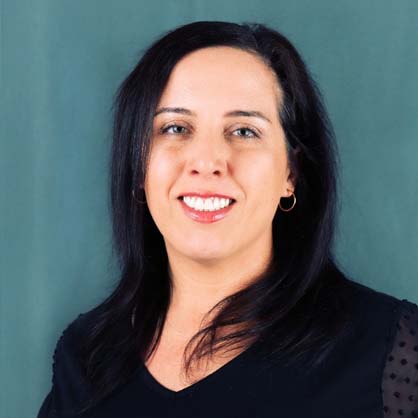
Emily Hosea, M.Ed, NCC
Managing Director | Behavioral Health and Opioid Treatment Program
Carf International

9:45am – 10:15am
Networking & Refreshments Break

10:15am – 11:00am
Harm Reduction in Practice: Syringe Programs, Safe Consumption and Overdose Prevention
Harm reduction approaches that meet people where they are continue to prove effective in reducing overdose deaths and connecting people to treatment when they're ready. This session examines practical implementation of harm reduction services including syringe exchange programs, naloxone distribution and safe consumption sites that reduce immediate risks while building trust and engagement. Learn about successful models that integrate harm reduction with treatment services and community acceptance strategies that overcome political and social resistance.

Nicholas M. Beller, Psy.D., LP, CADC
Vice President of Mental Health Services
Horowitz Health 

Elise M. Melancon, LADC
Vice President of Compliance
Licensed Alcohol and Drug Counselor (MN)

11:00am – 11:45am
Dual Diagnosis Reality: Treating Mental Health and Addiction When They Come Together
Most people struggling with opioid addiction also battle depression, anxiety, PTSD or other mental health conditions, yet many treatment programs still address these issues separately. This session explores integrated treatment approaches that recognize addiction and mental health as interconnected conditions requiring coordinated care. Learn how successful programs are training staff to address trauma, providing psychiatric services alongside addiction treatment and creating environments where people feel safe discussing both their substance use and mental health struggles. Discover practical strategies for screening, assessment and treatment planning that address the whole person rather than treating symptoms in isolation.

Dustin Ho-Gland RN MSN
BH Nurse Educator
Northwest Texas Healthcare System
Behavioral Health

11:45am – 12:30pm
Beyond Fentanyl: Emerging Threats in the Evolving Opioid Crisis Landscape
As the opioid crisis continues to evolve, a new wave of substances such as xylazine, medetomidine, kratom, and nizatidines—are complicating clinical management, surveillance, and public health response. This presentation will explore the pharmacology, patterns of misuse, clinical implications, and policy challenges associated with these emerging threats. Attendees will gain insights into how these substances interact with opioids, contribute to overdose morbidity and mortality, complicate withdrawal and require strategies for detection, treatment, and harm reduction.  

Michael Frost, MD, FACP, DFASAM
Chief Medical Officer
Wayspring 

12:30pm
Conference Concludes

12:45pm – 2:45pm
Workshop: Creating Comprehensive Community Opioid Response Plans: From Assessment to Implementation

This workshop guides community leaders through the complete process of developing evidence-based opioid response plans that address local needs while leveraging available resources effectively. Participants will work through structured planning exercises including community needs assessment, stakeholder mapping, intervention selection and implementation planning while learning from leaders who have successfully launched comprehensive opioid response initiatives. The workshop combines strategic planning with practical execution guidance through interactive exercises that enable participants to develop customized roadmaps for their specific community needs and resource constraints. Topics to be discussed will include funding strategy development, partnership building and evaluation framework design that ensure response plans translate into measurable community impact.

Learning Objectives:

  • Conduct comprehensive community needs assessments that identify specific opioid-related challenges and existing resource gaps
  • Design multi-sector response strategies that integrate prevention, treatment, recovery and harm reduction approaches effectively
  • Develop sustainable funding plans that maximize settlement dollars, federal grants and local resources for long-term impact
  • Create evaluation frameworks that measure both immediate outcomes and long-term community recovery indicators

Kasey Claborn, PhD
Director
Steve Hicks Fellow in Addiction & Recovery Services

From Hospitals/Health Systems/Health Plans/Gov’t Agencies/Law Enforcement/Recovery Centers/Government Agencies/Mental Health/Tribal Communities

  • CEO
  • CFO
  • VP
  • Medical Directors
  • Behavioral Health Directors
  • Pharmacy Directors
  • Clinical Pharmacists
  • Social Workers
  • Outreach Coordinators
  • PDMP Directors
  • Pain Management Directors
  • Psychiatrists
  • Psychologists
  • Telehealth Directors
  • State Health Directors
  • Nursing Director
  • Emergency Room Directors
  • Substance Abuse & Prevention Directors
  • Pediatricians
  • Law Enforcement
  • Narcotic Enforcement
  • Physicians
  • Quality Improvement Director
  • Family Services Director
  • Clinical Directors
  • Investigators
  • Compliance Director
  • Pharmacists
  • Addiction Specialists
  • Emergency Medical Services
  • Legislators
  • Correctional Coordinators


This Event Will Also be if Interest to:

  • Pharmaceutical Companies * Law Firms * Consultants * Drug Development Companies * Vendors * Solution Providers

Sponsors & Exhibitors

PharmaSmart International manufactures and distributes best in class, clinically validated biometric kiosks and digital tools to help patients, pharmacists and physicians better manage hypertension and other related disease states.
The National Association for Worksite Health Care (formerly the National Association of Worksite Health Centers) was founded in 2012. It serves as the nation’s only organization focused on assisting employers and their vendor and provider partners in getting the greatest return from direct contracting for health care, primarily through onsite, near-site, mobile and virtual  health centers. NAWHC offers education, benchmarking, networking and the nation’s largest clearinghouse of information and resources related to worksite health centers.

Agensy is a HIPAA-compliant care coordination platform built by licensed social workers with 30+ years managing complex senior care. After coordinating care for hundreds of families through hospitalizations, medication changes, and facility transitions, we automated our proven workflows. Agensy centralizes medical information, streamlines provider communication, and guides families through every transition—bringing professional care management expertise to every coordination challenge.

County-as-Employer → County-as-Community
An Exhibit-E–Aligned Opioid Prevention Campaign
County employees are the frontline of public service—and the most effective place to begin opioid prevention. By reducing opioid dependency within the county workforce, counties lower absenteeism, disability and workers’ compensation claims, healthcare costs, and productivity loss. The result is the first evidence-based prevention approach that starts with the county workforce and impacts opioid dependency throughout the county.
Strata Health is an all-in-one Referral Management Solution for hospitals and health systems. Using digital tools and automated workflows, our platform empowers care coordinators to orchestrate safe, seamless, and efficient transitions across the care continuum. In just a few clicks, you can create a curated list of care options, guide patient choice, complete forms digitally with integration to the electronic record, and manage the entire referral process electronically. Our best-fit technology uses intelligent algorithms to match patients to the most appropriate care provider or bed—improving efficiency and patient engagement while saving time and reducing costs. Founded in 2002, Strata Health has been the leading provider of patient flow technology for over 21 years. With offices in Canada, the United States, and the United Kingdom, we are partnered with 79 health systems and nearly 500 hospitals and have optimized over 17 million transitions of care worldwide. To learn more about Strata Health, visit www.stratahealth.com.

Omni Institute is a nonprofit social science consultancy specializing in behavioral health research, evaluation, and capacity-building services. With expertise in opioid abatement efforts across the nation at the state and local level and in both urban and rural settings, Omni combines rigorous research methods with authentic community engagement to address the opioid crisis. We believe deeply in empowering communities as agents of change in fighting the opioid epidemic and ensuring that opioid settlement dollars achieve maximum impact through evidence-based practices. Omni's proven approach delivers accountability, efficiency, and high-quality results tailored to each community's unique context and needs.

Calcium offers a flexible, AI-powered digital health platform that empowers healthcare providers to enhance patient outcomes, streamline workflows and expand access to care. Our comprehensive platform includes the Calcium Super App, which delivers guided care pathways, real-time vitals tracking, and seamless integration with EHRs, medical devices, and health apps. Through Calcium Core, providers gain a 360° view of patient data, automated alerts, and actionable analytics to drive proactive care and reduce readmissions. Our integration with Epic, Cerner, ECW and other major EHR platforms means that we can provide access to EHR from nearly every hospital and health system in the U.S. Whether you’re innovating in rural care delivery, enhancing patient experience, or integrating AI into your practice, Calcium helps you do it faster and smarter. Discover how Calcium can power your digital health strategy at CalciumHealth.com



Tucuvi is an AI Care Management platform for healthcare organizations, designed to help Care Management teams actively deliver care at scale using Voice AI for phone calls.

Tucuvi's platform automates and orchestrates high-volume clinical and care coordination workflows end to end, from scheduling to Transitions of Care, helping healthcare organizations move beyond isolated automation to truly proactive care management.
It integrates autonomous Voice AI agents (LOLA), with workflow logic, escalation, documentation, and seamless integration into existing health system infrastructure, supporting patient phone interactions and escalating to clinical teams when needed.
Discover more at:  https://www.tucuvi.com
 

Featured Speakers

Lisa Blanchard

Chief Clinical Officer

Spectrum Health

Colleen Lane

Medical Director - Addiction Medicine

Corewell Health West
Erin K. Lane

Attorney at Law

Miller Johnson
Harish Nair

Opioid Stewardship Pain Management Pharmacist

Indiana University Health

James David Ryser

Retired Executive Director of Chronic Pain & Chemical Dependence Programs

IU Health Hospital
Kristin Nolan

Chief Operating Officer

Spectrum Health Systems

Timothy Munzing

Family Physician, Medical Subject Matter Expert – DOJ, FBI, DEA

Medical Board of California

Sharron Coffie

Director, Opioid Safety

UT Southwestern Medical Center

Sara Meyer

System Medication Safety Specialist

Novant Health

Paige Mathew

Pain Management and Opioid Stewardship Regional Program Lead

Pain Management Specialty Council Chair - Board of Pharmacy Specialties

Joseph Conte

Executive Director

Staten Island Performing Provider System
Emily Hosea

Managing Director | Behavioral Health and Opioid Treatment Program

Carf International

Nicholas M. Beller

Vice President of Mental Health Services

Horowitz Health

Elise M. Melancon

Vice President of Compliance

Licensed Alcohol and Drug Counselor (MN)
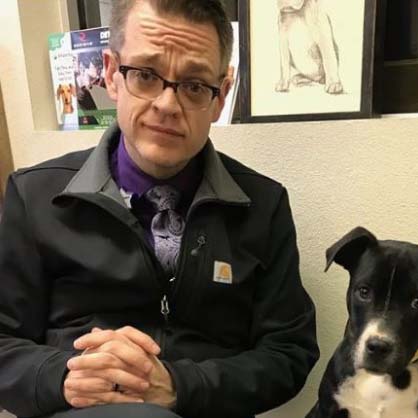
Dustin Ho-Gland

BH Nurse Educator

Northwest Texas Healthcare System Behavioral Health

Michael Frost

Chief Medical Officer

Wayspring

Venue

Hyatt Regency Austin
208 Barton Springs Road
Austin, TX 78704
512-477-1234