

Days
Hours
Minutes
Seconds

overview

As healthcare systems transition to value-based payment models and face increasing pressure to manage population health effectively while ensuring seamless care transitions, case managers, care coordinators and transitional care professionals have become essential partners in achieving quality metrics, reducing hospital readmissions and controlling costs through proactive intervention and comprehensive care coordination.


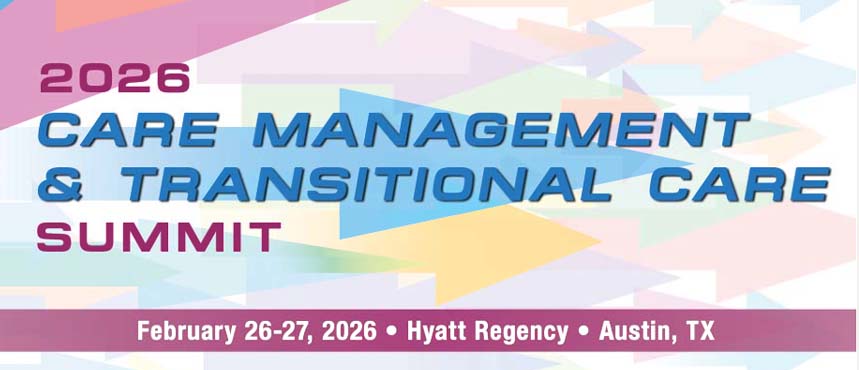
Business Research Intelligence Network presents the Care Management & Transitional Care Summit, bringing together care management professionals, healthcare leaders and clinicians to explore proven strategies for maximizing the impact of care management and transitional care programs.


Sessions will explore innovative care coordination models, technology solutions and transitional care strategies that are transforming how organizations approach chronic disease management, hospital readmission prevention, care transitions and member engagement while achieving measurable improvements in both clinical and financial outcomes. Attendees will discover actionable strategies for reducing hospital readmissions, improving care plan adherence, leveraging data analytics to identify high-risk populations and implementing effective discharge planning and follow-up protocols.


Industry leaders will share approaches for building effective care management and transitional care teams, implementing technology platforms that enhance workflow efficiency and measuring success through comprehensive outcome tracking that demonstrates value to stakeholders while supporting sustainable program growth and organizational transformation. The conference addresses the critical role of care management and transitional care in value-based care models and provides practical tools and insights to transform programs and drive better patient outcomes.

Agenda

7:15am – 8:00am
Conference Registration & Networking Breakfast

8:00am – 8:15am
Chairperson's Opening Remarks

8:15am – 9:00am
Social Determinants of Health: Addressing Root Causes Through Comprehensive Care Coordination
Healthcare outcomes are significantly influenced by social factors including housing stability, food security, transportation access and social support systems that require coordinated intervention beyond traditional medical care. This session examines innovative approaches to screening and following up on social determinants in both the IP and ambulatory care settings. Learn strategies for screening, assessment and intervention that address underlying factors contributing to poor health outcomes and post-discharge complications.

Renee Bremer, DNP, RN, ACM, CENP
Associate Director
Care Management
University of Michigan Health 

Alicia Majcher, RN, BSN, MHSA
Administrative Director of Care Management and Population Health
University of Michigan Health 

9:00am – 9:45am
Integrating AI into Care Management: Transforming How We Care
Learn how one health system is using AI for Transition of Care calls, disease management, reaching additional populations, and more, while freeing up their licensed staff to work at the top of their scope.  Artificial intelligence (AI) is transforming care management by enabling more personalized, efficient, and proactive approaches to healthcare delivery.   By automating routine tasks and facilitating real-time decision-making, AI empowers the care management team to focus on patients that are engaged, reduces unnecessary outreaches, and enhances coordination among multidisciplinary teams. As the integration of AI continues to evolve, it holds promise for advancing the quality and accessibility of care management across diverse healthcare settings.

Jayne Flowers, MBA, RN, CPHQ
Director | Care Management North Hub
OhioHealth 

9:45am – 10:15am
Networking & Refreshments Break

10:15am – 11:00am
Building Robust Transitional Care Management Programs: Key Components and Best Practices
Delve into the essential elements of a successful transitional care management program. This session will cover strategies for implementing comprehensive care transition services, including timely follow-up, medication management and patient education. Learn how to develop a structured approach that aligns with Medicare guidelines while meeting the unique needs of your patient population and achieving dramatic reductions in 30-day readmissions through comprehensive discharge planning, post-acute care coordination and follow-up protocols.

Cheri Lattimer, RN, BSN
Executive Director
National Transitions of Care Coalition

11:00am – 11:45am
Establishing Efficient and Effective Post Acute Care Transitions in the Expanding MA Environment
Transitions of care have always presented healthcare challenges. These difficulties, especially for Post Acute placement, have been accentuated with the national increasing penetration of Medicare Advantage plans.

Strategies to effectively navigate these barriers to Inpatient throughput and proper post acute placement will be explored.

Stephen Rees, MD
Medical Director, Post Acute & Transitional Care
Ochsner Health Network 

11:45am – 12:30pm
Value-Based Care Models: Aligning Incentives for Better Transitions
This session examines how accountable care organizations, bundled payment programs and other value-based arrangements are driving improvements in transitional care. Hear from providers and payers who have successfully implemented shared savings models, episode-based payments and quality metrics that incentivize seamless care coordination and reduce fragmentation.

Alex Bardakh, MPP, CAE, PLC
Senior Director, Advocacy and Strategic Partnerships
Post-Acute and Long-Term Care Medical Association 

12:30pm – 1:30pm
Luncheon

1:30pm – 2:15pm
Building High-Performance Care Management and Transitional Care Teams in Challenging Times
High-performing care management and transitional care teams are essential to achieving quality, safety, and operational goals in today’s complex healthcare environment. This presentation explores leadership practices that strengthen team performance amid workforce shortages, evolving regulations, and increasing performance expectations. Key focus areas include workforce development, performance management, and the creation of cultures that promote collaboration, accountability, and professional growth. Practical strategies will be highlighted for aligning team goals with organizational priorities, sustaining engagement, and improving patient outcomes through consistent, high-reliability operations.

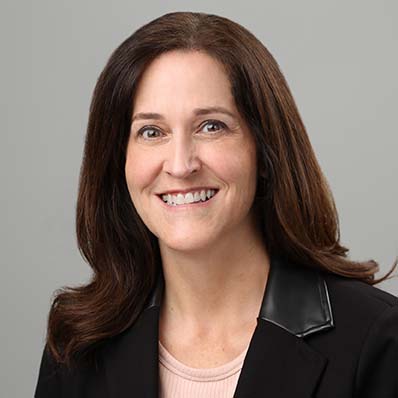
Sarah Dygert RN, MSN, MBA
Vice President Care Management
Emory Healthcare

2:15pm – 3:15pm
Panel: Leveraging Data Analytics and Risk Stratification to Transform Care Management Outcomes
Effective care management requires sophisticated data analytics capabilities to identify high-risk patients before complications occur, predict readmission likelihood and allocate resources strategically across populations with varying needs. This panel brings together leaders who are using advanced analytics, artificial intelligence and predictive modeling to transform their programs from reactive to proactive. Panelists will discuss practical approaches to implementing risk stratification tools, integrating data from multiple sources including claims, clinical records and social determinants, and translating analytics into actionable interventions that prevent adverse outcomes. The discussion will address common implementation challenges, strategies for building data literacy among care management teams and methods for measuring the impact of data-driven interventions on both clinical outcomes and financial performance.

Panelists:
Jayne Flowers, MBA, RN, CPHQ
Director | Care Management North Hub
OhioHealth 

Alicia Majcher, RN, BSN, MHSA
Administrative Director of Care Management and Population Health
University of Michigan Health

3:15pm – 3:45pm
Networking & Refreshments Break

3:45pm – 4:30pm
Coordinating Care for Complex Conditions
Members with multiple chronic conditions represent the highest-cost, highest-risk populations that require sophisticated care coordination to prevent complications and reduce utilization. This clinical session examines evidence-based approaches to managing diabetes, heart failure, COPD and other chronic conditions through comprehensive care planning, medication management and lifestyle intervention programs. Learn strategies for building interdisciplinary care teams, coordinating with primary care providers and using technology platforms to monitor patient progress while achieving measurable improvements in clinical outcomes and cost reduction.

Matthew Ducsik, MPH
Vice President, Providence Clinical Institutes
Providence Clinical Network
Providence

4:30pm – 5:15pm

Abhi Mehrotra, MD, MBA, FACEP
Vice Chair, Strategic Initiatives & Operations
UNC Dept. of Emergency Medicine 

5:15pm
End of Day One

7:15am – 8:00am
Networking Breakfast

8:00am – 8:15am
Chairperson's Recap

 8:15am – 9:00am
Beyond the Bedside: Advancing Care Through the Care Hotel Model
As hospitals face increasing resource constraints, innovative discharge strategies and progressive care models are essential to extend hospital-level care beyond traditional settings. This session examines the development, implementation, and ongoing evolution of a care hotel model, drawing from the experience of a single institution. Emphasis will be placed on the importance of multidisciplinary collaboration, identifying key metrics for evaluating success, and highlighting the coordinated efforts required to achieve positive outcomes in alternative care environments.

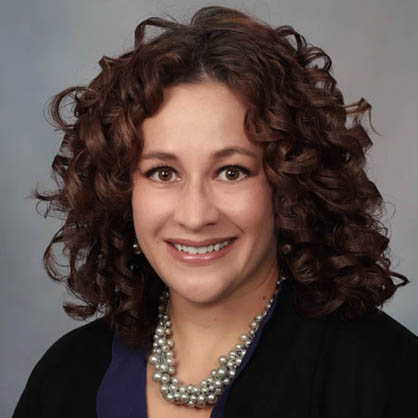
Tamara E. Buechler, M.D., M.H.A.
Vice Chair, Division of Hospital Internal Medicine
Associate Medical Director, Mayo Clinic Rochester Hospital Operations Command Center
Medical Director, Patient Flow & Care Management
Mayo Clinic 

Erica Loomis, M.D.
Trauma and Acute Care Surgeon
Medical Director, Midwest Admission and Transfer Center
Mayo Clinic 

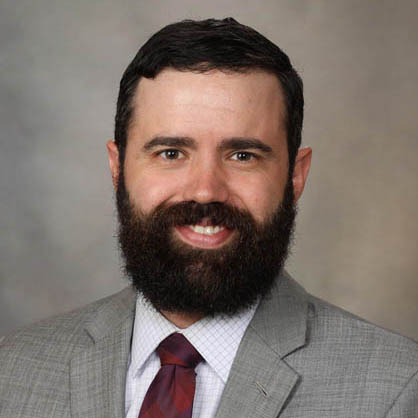
Michael Ganz
Practice Manager - Hospital Transitional Care
Mayo Clinic 

9:00am – 9:45am
Engaging Patients and Caregivers: Building Partnerships That Drive Behavior Change and Care Transition Success
Active participation by patients and caregivers is the cornerstone of effective care management and successful transitions across the continuum of care. This session explores evidence-based engagement techniques that enhance self-management, adherence, and continuity of care. Participants will examine strategies such as motivational interviewing, shared decision-making, and individualized health education to foster trust, collaboration, and patient empowerment. Emphasis will be placed on identifying and addressing barriers related to health literacy, cultural and linguistic diversity, and social determinants of health that may impact engagement and outcomes. Through practical examples and communication frameworks, learners will develop the skills to build strong patient-caregiver partnerships that promote sustained behavior change, improve satisfaction, and reduce avoidable readmissions.

Learning Objectives

Upon completion of this session, participants will be able to:

  1. Identify the essential elements of patient and caregiver engagement that contribute to positive behavior change and effective care transitions.
  2. Demonstrate the use of motivational interviewing and shared decision-making techniques to enhance patient activation, self-efficacy, and adherence to individualized care plans.
  3. Develop and implement communication strategies that address health literacy, cultural competence, and language access to improve understanding, participation, and health outcomes across diverse populations.

Colleen Morley, DNP, RN, CCM, CMAC, CMCN, ACM, FCM  
Associate Chief Clinical Operations Officer, Continuum of Care
UI Health
Case Management Society of America 

9:45am – 10:15am
Networking & Refreshments Break

10:15am – 11:00am
Reducing Readmissions, Reoperations, and Recidivism in Patients with Endocarditis due to Injection Drug Use.
Patients who present to Cardio Thoracic Centers with Endocarditis due to Substance Use Disorder (SUD) are at substantial risk of rehospitalization unless they receive treatment for their SUD. The presentation describes the combined efforts of a quaternary acute care center, the SUD treatment center, and peer support organization, to create a different paradigm of care, to reduce the risk of relapse and death for a vulnerable population.

Mary McLaughlin Davis, DNP, ACNS-BC, NEA-BC, CCM-R 
Project Manager | Care Management Nursing
Cleveland Clinic 

11:00am – 11:45am
Redesigning the Workforce and Workflows to Prevent Readmissions
Hospital readmissions remain a persistent and costly challenge, now with a heightened focus by CMS to demonstrate outcomes not only for Medicare FFS, but also Medicare Advantage patients. Preventing readmissions requires more than targeted interventions at discharge, it demands a case management structure that supports proactive identification, multidisciplinary collaboration, and continuity across settings. Traditional case management structures, built around the “triad” of nurse, social worker, and utilization review, are becoming increasingly misaligned with the pace and complexity of modern care delivery. This session introduces an adaptive case management approach designed to realign roles, workflows, and technology to better support readmission prevention. Through case examples and practical application, participants will gain strategies to operationalize an adaptive approach to transforming traditional case management into a proactive, data-driven system that improves outcomes, optimizes resources, and reduces readmissions.

Tiffany Ferguson, LMSW, CMAC, ACM
Chief Executive Officer
Phoenix Medical Management Inc. 

11:45am – 12:30pm
Reducing 30-Day Readmissions: Evidence-Based Strategies That Work
This session examines proven interventions for reducing hospital readmissions, including risk identification and stratification, enhanced discharge planning, medication management, post-discharge follow-up, care coordination and transitional care, and community-based support. Presenter will share compelling real-world data from health systems that have successfully implemented targeted interventions to reduce 30-day readmission rates. These organizations have achieved sustained improvements in patient outcomes, including notable reductions in readmissions, enhanced patient satisfaction scores, and significant cost savings across the continuum of care. The session will also feature case studies that illustrate how strategic partnerships and integrated care models contribute to these results.

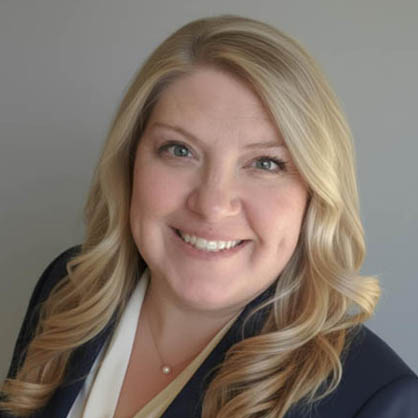
Sarah Rich, RN, CCM
Program Manager, Ambulatory Care Management Program
MercyOne

12:30pm
Conference Concludes

Workshop: 12:45pm - 2:45pm
HIPAA Through Transitions of Care– What Is It and Why Should We Care?
The Health Insurance Portability and Accountability Act (HIPAA) establishes rules that protect and secure patient health information.  But what is it really and why should I care?  HIPAA can be a really misunderstood body of law.  However, to understand and appreciate HIPAA, it is important to learn its origin and what it means to you as an individual.  Once you understand the basic tenets, you can then help others to understand and appreciate the intent of HIPAA.  It is the analysis, acquirement, and protection of medical information.  However, in order to properly analyze, acquire and protect valuable individually identifiable health information, it is important to know the security and privacy laws governing protected health information, understand the terminology and identify who is responsible for complying with the laws to safeguard Personal Health Information (PHI). Privacy and Security is the foundation of the Administrative Simplification Rules which demands the confidentiality, defense, and safety of protected health information.  It takes a deeper dive into appropriate use and disclosure of PHI while also focusing on breaching and supplying you with helpful tools to counter a breach or unauthorized disclosure if and when one arises.    

HIPAA is a very daunting body of law encompassing both privacy and security requirements for healthcare plans, clearing houses, and providers alike.  While the covered entities strive to improve on healthcare standards, practices, and outcomes, they must protect, safeguard, and keep confidential the same information needed to use and disclose for the expansion of healthcare.  This is no small feat and requires those tasked with the responsibility to know what they know, know what they don’t know and seek help to successfully manage HIPAA related obligations.  There is a recurring theme. HIPAA at its roots, provides fundamental privacy rights, which must remain protected and unscathed, while still balancing the need to deliver palpable health care to society at large.  What are the ethical and legal obligations of Health Care Case Managers and how those duties ultimately protect individual rights throughout their transitions of care.

Objectives:

Upon completion of the presentation, attendees will be able to:

  • Demonstrate the general rules governing protected health information at the federal and state levels
  • Construct tools to assist with compliance and breach management regarding such matters as cloud computing, research, and emergency response
  • Critique and explain the interplay of HIPAA with the coordinated care of Discharge and Capacity Management 
  • Describe the standards used for determining when state law preempts HIPAA.
  • Describe the basics of a compliance program, including the 7 elements of an effective compliance program
  • Attendee understands the ethical and legal considerations of implementing Medication Safety and Reconciliation Across Transitions
  • Explain the ethical and legal obligations of Case Managers and identify common situations in which breaches occur and when to seek help


Kathleen Fraser MSN, RN-BC, CCM, CRRN, FAAN

M. Jurisprudence in Healthcare Law, Management & Policy
Offering Expert Witness Services in Healthcare Law
National/International  Speaker on Healthcare
CEO/President
Fraser Imagineers, LLC

Who Should Attend:

From Hospitals/Health Systems/Health Plans

  • Care Management
  • Transition of Care
  • Discharge Planning
  • Case Management Director
  • Nursing Director
  • Social Workers
  • Physicians
  • Medical Directors
  • CEO
  • CFO
  • Patient Safety
  • Wellness
  • Pharmacy Director
  • Quality
  • Value-Based Care
  • Community Health Workers

Also of interest to Vendors; Solution Providers

Sponsors & Exhibitors

Tucuvi is an AI Care Management platform for healthcare organizations, designed to help Care Management teams actively deliver care at scale using Voice AI for phone calls.

Tucuvi's platform automates and orchestrates high-volume clinical and care coordination workflows end to end, from scheduling to Transitions of Care, helping healthcare organizations move beyond isolated automation to truly proactive care management.
It integrates autonomous Voice AI agents (LOLA), with workflow logic, escalation, documentation, and seamless integration into existing health system infrastructure, supporting patient phone interactions and escalating to clinical teams when needed.
Discover more at:  https://www.tucuvi.com

AAAHC is the leader in ambulatory health care accreditation. AAAHC advocates for high-quality health care through the development and adoption of nationally recognized Standards. Organizations that earn AAAHC Accreditation and Certification embody the spirit of 1095 Strong, quality every day, a commitment to high-quality care and patient safety


PharmaSmart International manufactures and distributes best in class, clinically validated biometric kiosks and digital tools to help patients, pharmacists and physicians better manage hypertension and other related disease states.
The National Association for Worksite Health Care (formerly the National Association of Worksite Health Centers) was founded in 2012. It serves as the nation’s only organization focused on assisting employers and their vendor and provider partners in getting the greatest return from direct contracting for health care, primarily through onsite, near-site, mobile and virtual  health centers. NAWHC offers education, benchmarking, networking and the nation’s largest clearinghouse of information and resources related to worksite health centers.

Agensy is a HIPAA-compliant care coordination platform built by licensed social workers with 30+ years managing complex senior care. After coordinating care for hundreds of families through hospitalizations, medication changes, and facility transitions, we automated our proven workflows. Agensy centralizes medical information, streamlines provider communication, and guides families through every transition—bringing professional care management expertise to every coordination challenge.

County-as-Employer → County-as-Community
An Exhibit-E–Aligned Opioid Prevention Campaign
County employees are the frontline of public service—and the most effective place to begin opioid prevention. By reducing opioid dependency within the county workforce, counties lower absenteeism, disability and workers’ compensation claims, healthcare costs, and productivity loss. The result is the first evidence-based prevention approach that starts with the county workforce and impacts opioid dependency throughout the county.

Strata Health is an all-in-one Referral Management Solution for hospitals and health systems. Using digital tools and automated workflows, our platform empowers care coordinators to orchestrate safe, seamless, and efficient transitions across the care continuum. In just a few clicks, you can create a curated list of care options, guide patient choice, complete forms digitally with integration to the electronic record, and manage the entire referral process electronically. Our best-fit technology uses intelligent algorithms to match patients to the most appropriate care provider or bed—improving efficiency and patient engagement while saving time and reducing costs. Founded in 2002, Strata Health has been the leading provider of patient flow technology for over 21 years. With offices in Canada, the United States, and the United Kingdom, we are partnered with 79 health systems and nearly 500 hospitals and have optimized over 17 million transitions of care worldwide. To learn more about Strata Health, visit www.stratahealth.com.

Omni Institute is a nonprofit social science consultancy specializing in behavioral health research, evaluation, and capacity-building services. With expertise in opioid abatement efforts across the nation at the state and local level and in both urban and rural settings, Omni combines rigorous research methods with authentic community engagement to address the opioid crisis. We believe deeply in empowering communities as agents of change in fighting the opioid epidemic and ensuring that opioid settlement dollars achieve maximum impact through evidence-based practices. Omni's proven approach delivers accountability, efficiency, and high-quality results tailored to each community's unique context and needs.



Calcium offers a flexible, AI-powered digital health platform that empowers healthcare providers to enhance patient outcomes, streamline workflows and expand access to care. Our comprehensive platform includes the Calcium Super App, which delivers guided care pathways, real-time vitals tracking, and seamless integration with EHRs, medical devices, and health apps. Through Calcium Core, providers gain a 360° view of patient data, automated alerts, and actionable analytics to drive proactive care and reduce readmissions. Our integration with Epic, Cerner, ECW and other major EHR platforms means that we can provide access to EHR from nearly every hospital and health system in the U.S. Whether you’re innovating in rural care delivery, enhancing patient experience, or integrating AI into your practice, Calcium helps you do it faster and smarter. Discover how Calcium can power your digital health strategy at CalciumHealth.com

 

Featured Speakers

Renee Bremer

Associate Director Care Management

University of Michigan Health

Alicia Majcher

Administrative Director of Care Management and Population Health

University of Michigan Health
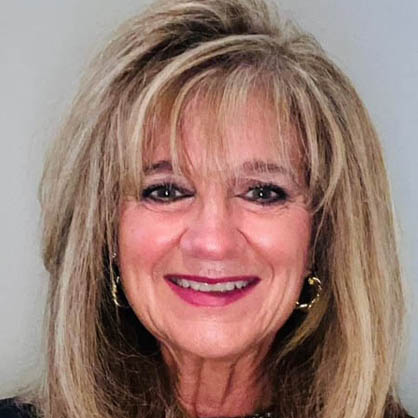
Jayne Flowers

Director | Care Management North Hub

OhioHealth

Cheri Lattimer

Executive Director

National Transitions of Care Coalition

Stephen Rees

Medical Director, Post Acute & Transitional Care

Ochsner Health Network

Alex Bardakh

Senior Director, Advocacy and Strategic Partnerships

Post-Acute and Long-Term Care Medical Association
Sarah Dygert

Vice President Care Management

Emory Healthcare

Matthew Ducsik

Vice President, Providence Clinical Institutes Providence Clinical Network

Providence

Abhi Mehrotra

Vice Chair, Strategic Initiatives & Operations

UNC Dept. of Emergency Medicine
Tamara E. Buechler

Vice Chair, Division of Hospital Internal Medicine Associate Medical Director, Mayo Clinic Rochester Hospital Operations Command Center Medical Director, Patient Flow & Care Management

Mayo Clinic

Erica Loomis

Trauma and Acute Care Surgeon Medical Director, Midwest Admission and Transfer Center

Mayo Clinic
Michael Ganz

Practice Manager - Hospital Transitional Care

Mayo Clinic

Colleen Morley

Associate Chief Clinical Operations Officer, Continuum of Care

UI Health, Case Management Society of America

Mary McLaughlin Davis

Project Manager | Care Management Nursing

Cleveland Clinic

Tiffany Ferguson

Chief Executive Officer

Phoenix Medical Management Inc.
Sarah Rich

Program Manager, Ambulatory Care Management Program

MercyOne

Kathleen Fraser

CEO/President

Fraser Imagineers

Venue

Hyatt Regency Austin
208 Barton Springs Road
Austin, TX 78704
512-477-1234