Days
Hours
Minutes
Seconds

overview

The connection between social conditions and health outcomes is undeniable, but translating that knowledge into effective programs remains challenging for most hospital and health systems. Business Research Intelligence Network’s Social Determinants of Health Summit addresses the persistent gap between recognizing SDOH’s importance and building interventions that survive beyond grant cycles. Healthcare leaders consistently cite three major obstacles: inadequate funding streams, poor coordination with community partners and insufficient organizational resources. This summit tackles those barriers head-on with practical solutions from organizations that have cracked the code.


Attendees will explore financial models that blend Medicaid reimbursement, value-based care incentives and community partnerships to create sustainable revenue. Sessions examine how to build trust and effective workflows with community organizations despite different cultures and competing priorities. The program includes concrete frameworks for measuring ROI, demonstrating value to skeptical CFOs and integrating SDOH interventions into existing clinical operations without adding unsustainable burden. Real-world case studies show what actually works when resources are limited and political will fluctuates.


Whether your organization is launching its first food insecurity screening or scaling housing support across multiple sites, this summit provides actionable strategies for overcoming the most common implementation failures. Join hospital executives, Medicaid leaders, community health innovators and policy experts who are successfully bridging healthcare and social services despite the obstacles everyone faces.

Agenda

7:15am – 8:00am
Conference Registration & Networking Breakfast

8:00am – 8:15am
Chairperson's Opening Remarks

8:15am – 9:00am
Food Insecurity Interventions: From Screening to Medically Tailored Meals
Food insecurity drives poor outcomes and costly utilization, but effective intervention requires moving beyond identifying hungry patients to meaningful programs. Screening tools must match your setting and population, with validated instruments performing better than ad hoc questions. Medically tailored meal delivery, produce prescription programs and food bank partnerships each serve different populations with distinct implementation requirements. Medicaid coverage, grant funding and innovative food bank collaborations create diverse revenue streams supporting sustainability. Calculating ROI, designing referral workflows and building programs surviving beyond pilots demands careful financial planning. Programs connecting patients to food while addressing transportation barriers, cooking skills and nutrition education generate lasting behavior change rather than temporary relief.

Bonnie Morning
Coordinator Operations
Wellstar

9:00am – 9:45am
Beyond the Clinic: Turning Social Needs Data into Better Health Outcomes
Healthcare organizations are collecting more social needs data than ever before, but how can that information be translated into meaningful action and measurable outcomes? This session will explore strategies for integrating social determinants of health (SDOH) data into care delivery, care coordination, and population health initiatives. Attendees will gain insights into identifying high-risk populations, connecting patients to community resources, measuring impact, and leveraging data to drive improved health outcomes, reduce costs, and advance health equity.

Drew Albano, DO, MBA, CPE, FAAFP
Vice President
Atlantic Health & President, Atlantic ACO

9:45am – 10:15am
Networking & Refreshments Break

10:15am – 11:00am
Education Strategies to Advance Social Drivers of Health Screening
Social Drivers of Health (SDOH) screening is becoming an increasingly important part of healthcare delivery, but successful implementation requires more than a workflow change. This session explores practical strategies for educating clinicians and care teams, increasing awareness of SDOH screening, and building confidence in addressing social needs in clinical settings. Drawing from real world health system experience, attendees will learn approaches to training, stakeholder engagement, and change management that support meaningful adoption. Participants will leave with actionable ideas to strengthen screening practices, improve documentation, and connect patients to resources that address barriers to health. 

Zaria Johnson, MPH
Program Manager
Northwell Health

11:00am – 11:45am
Advancing Health Equity: Data Strategies and Organizational Change
Health inequities represent one of the most significant forms of untapped economic potential in communities across the country. In Chicago, efforts to close the life expectancy gap were not simply about improving health outcomes—they were about unlocking decades of productivity, opportunity, and community contribution that could no longer be left on the table. Through data-driven program redesign and strategic investments in violence prevention, overdose response, chronic disease management, mental health, housing, and community-based care, Chicago achieved its largest increase in life expectancy in more than a decade while narrowing long-standing disparities in health outcomes. This session will explore the strategies, partnerships, and lessons learned that can help other jurisdictions advance health equity while strengthening community well-being and economic resilience.

Simbo Ige MD, MS, MPH
Former Commissioner of Health of Chicago
Chicago Department of Health

11:45am – 12:30pm
Beyond Hot Spotting: Identifying Underserved Populations Through Data Analytics
Hot spotting identifies high-utilizers needing intensive intervention, but cold spotting reveals underserved populations not accessing care at all despite significant health needs. Combining EHR data, claims information and community-level social determinants creates comprehensive population health pictures showing who's missing. Geospatial mapping visualizes disparities across service areas and giuides deployment of limited resources to communities with greatest unmet needs. Community Health Needs Assessments become strategic planning tools rather than compliance exercises when used to identify gaps systematically. Partnerships with public health departments and community organizations enable data sharing and coordinated efforts ensuring resources reach populations most in need rather than just populations most visible. Translating data insights into action separates sophisticated analytics from meaningful impact.

Daniel Rivas
Director, Office of Community Outreach and Engagement

UC Irvine Chao Family Comprehensive Cancer Center

12:30pm – 1:30pm
Networking Lunch

1:30pm – 2:15pm
Beyond Programs: Leading Organizational Transformation to Advance Whole-Person Care
As healthcare organizations increasingly address social drivers of health, many leaders face a common challenge: how to move beyond isolated initiatives and build sustainable models that improve health outcomes at scale. Drawing on experiences leading large community-based healthcare organizations, this session will explore the leadership, operational, and partnership strategies required to integrate whole-person care into the fabric of an organization. Attendees will learn practical approaches for aligning mission, strategy, workforce, community partnerships, and financial sustainability while navigating change in an increasingly complex healthcare environment. The discussion will highlight lessons learned, common barriers, and opportunities to create lasting impact for the communities we serve.

Rashad A. Collins
President and Chief Executive Officer
Unity Health Care

2:15pm – 3:15pm
Panel: Overcoming Partnership Failures Between Hospitals and CBOs
Effective SDOH work demands genuine partnership between healthcare and community-based organizations, but these collaborations fail more often than they succeed. NEJM Catalyst data confirms poor coordination with community partners as a persistent challenge across health systems. Panelists will share candid insights about navigating different organizational cultures, aligning mismatched incentives and building trust when historical relationships were rocky or nonexistent. Data sharing, referral coordination and sustaining partnerships when funding landscapes shift require ongoing attention and adaptation. Community health worker programs, wraparound services and integrated care teams that successfully blend clinical and social support offer models worth replicating. We’ll also explore overcoming specific barriers participants face and building partnerships designed to last through leadership changes and budget pressures.

Dr. Glenda Francis, DNP, MBA/HCM, CCRN, NEA-BC FACHE, CHE
Wellstar Center for Health Equity
Wellstar Health Systems 

Zaria Johnson, MPH
Program Manager
Northwell Health

Jennifer Z. Snow
Vice President, Social Health
The National Center for Clinical and Community Impact
Advocate Health

3:15pm – 3:45pm
Networking & Refreshments Break

3:45pm – 4:30pm
Implementing Systemwide SDOH Screening: Infrastructure, Workflows and Follow-Through
Federal agencies promoting expanded SDOH data collection created incentives for implementation, prompting healthcare organizations to build infrastructure and staffing for systemwide screening. Moving from policy mandates to practice reveals challenges around workflow design, staff training and ensuring screening leads to meaningful intervention. The speaker’s implementation journey offers insights from comprehensive evaluation drawing on patient and care team perspectives. Key facilitators include executive sponsorship, adequate staffing and integrated referral systems. Barriers involve workflow disruptions, documentation burden and limited community resources for identified needs. Opportunities emerge around leveraging screening data for population health management and quality improvement. Strengthening communication between clinical teams and social service coordinators prevents screening from becoming performative documentation exercise. Post-screening connections determine whether identification of social needs improves outcomes or just creates data without action.

Katherine Byerly, MPA
Director of Community Health
HealthLinc, Inc.

4:30pm – 5:15pm
Leveraging strategies to increase physician engagement to better influence whole person care.
Physician engagement is critical to effectively collecting and using Social Determinants of Health (SDOH) data because physicians build trusted relationships that encourage patients to share sensitive, non-clinical information. When engaged, physicians can better interpret SDOH insights within the context of a patient’s overall health and tailor care plans accordingly. Their involvement also helps integrate SDOH data into clinical decision-making, ensuring interventions address root causes rather than just symptoms. Ultimately, strong physician engagement leads to more proactive, personalized care and improved patient outcomes.

Kelsey Keith, BSPH, PCMH CCE
Director of Population Health
Northeast Georgia Physicians Group 

5:15pm
End of Day One

7:15am – 8:00am
Networking Breakfast

8:00am – 8:15am
Chairperson's Recap

8:15am – 9:00am
From Compliance to Connection: Building People-Centered Health Systems
As healthcare organizations expand efforts to address social determinants of health, many are discovering that data collection and screening alone do not improve outcomes. Sustainable change requires systems that center trust, dignity, and meaningful relationships. This session examines how cultural humility and behavioral science can support workforce development, organizational transformation, and stronger connections between clinical care and community priorities. Participants will gain practical strategies for moving beyond compliance-driven approaches to create cultures of care that improve both patient experience and community well-being.

Ruaa Hassaballa, PhD, MPH
Health Equity Strategist
American Academy of Family Physicians

9:00am – 9:45am
Advancing Health Equity: Data Strategies and Organizational Change
Health equity practitioners face internal resistance and external barriers when trying to mitigate access obstacles for patients and families. Social inequality, historical biases, contemporary discrimination and organizational apathy all influence outcomes for both patients and equity teams. Collecting and sustaining meaningful data, tracking key organizational moments and building coalitions with departments showing limited commitment require strategic approaches. Demonstrating measurable value through clear metrics helps overcome resistance and secure resources. Staying ahead of events that reveal disparities positions equity teams to respond effectively rather than reactively. Working around skeptics while winning over potential allies demands political skill and evidence-based argumentation.

Mallory Yung, MPH, PMP
Director, Health Impact Alliance
The Health Management Academy

9:45am – 10:15am
Networking & Refreshments Break

10:15am – 11:00am
Community-Based Health Partnerships: Faith Communities and Trusted Networks
Health begins in neighborhoods, families and faith communities shaping daily lives long before clinical encounters occur. Partnerships with churches and community organizations create trusted health educator networks addressing challenges medical advice alone cannot solve. Training volunteers from within communities generates culturally appropriate outreach that institutional providers struggle to replicate. These collaborations improve screening access, encourage healthier lifestyles and foster trust between institutions and communities they serve. Examples from pandemic-era initiatives demonstrate how resilient, adaptive outreach saves lives while reducing hospital costs. Population health improvement and cost efficiency pressures make these community-rooted models increasingly compelling. This session will explore how connecting clinical care to community support creates lasting networks rather than episodic interventions.

Nicolette Wise, MPH
Director, Social Determinants of Health
TennCare

Alison Steinbacher
State Director
Findhelp

11:00am – 11:45am
Leveraging Alternative Payment Structures to End the Syndemic and Promote Whole-Person Health for Individuals Living with Substance Use Disorder
With Medicaid changes looming, how can we strategically insulate safety-net substance use disorder treatment programs from impending budget cuts, while simultaneously improving the quality of care and expanding the scope of services provided? With a little bit of wizardry, and a lot of zeal, county health administrators have teamed up across agencies to create a value-based payment system for SUD treatment services and to integrate additional physical health services into these behavioral health treatment programs. In this talk, the speakers will share their concerns, dreams, successes, and challenges in their quest thus far to promote whole-person health for people living with substance use disorder in their county. 

Jillian Irwin
Public Health Physician and County Medical Director
Allegheny County Health Department

David Loveland
Director of Substance Use Services
Allegheny County Health Department

11:45am – 12:30pm
Scaling Social Health Impact: Leveraging Technology and Workflow Design to Build Sustainable, Enterprise-Wide Screening and Referral Systems
This session focuses on how health systems can scale social health screening and referral programs without proportionally increasing staff. It covers how to embed standardized workflows into the EHR, use technology to automate and prioritize referrals, and build closed-loop tracking systems that reduce manual burden on clinical teams.

It also highlights how data can be used to target high-risk populations, improve coordination with community partners, and measure impact, while aligning teams across settings.

Overall, the goal is to move from fragmented efforts to a scalable, sustainable model that integrates technology, workflow design, and partnerships to expand capacity and improve outcomes.

Jennifer Z. Snow
Vice President, Social Health
The National Center for Clinical and Community Impact
Advocate Health

Cherelle Rozie, MPH, CHES
Associate Vice President, Social Health & Community Health Workers
Advocate Health

12:30pm
Conference Concludes

12:45pm – 2:45pm

Workshop: Building Your SDOH Referral Network and Resource Directory
Most health systems screen for social needs but struggle with what happens next when patients need housing assistance, food support or transportation help. This workshop will explore building effective community resource directories and referral workflows that actually connect patients to services. Attendees will learn how to identify key community partners, develop referral protocols, create feedback loops to track completion and build sustainable relationships with community organizations. The workshop covers vetting resources for quality and availability, training clinical staff on when and how to refer, managing tracking without overwhelming workflows and measuring impact. You'll leave with a starter resource directory template, referral workflow diagram and partnership outreach plan ready to implement.

You'll develop:

  • Community resource directory with contact information and eligibility criteria
  • Referral workflow and staff training plan
  • Tracking system for referral completion and outcomes
  • Partnership development strategy for your priority social needs

Ellen Grant PhD, LCSW-R
President
First Advantage Consulting

Medicaid; Medicaid; Commercial Health Plans; Health Systems; Hospitals; Provider Groups; Pharma Organizations; Gov’t and Community Based Organizations; Rural Health; Tribal Communities

  • Medical Directors
  • CEO’s
  • CFO’s
  • CNO’s
  • Clinical Officers
  • Care/Case Management
  • Population Health
  • Social Determinants
  • Quality Improvement
  • Health and Wellness
  • Accountable Care
  • Physician Groups
  • Community Outreach
  • Foundations
  • Compliance Directors
  • Policy Advisors
  • Patient Navigation
  • Innovation Officers
  • Health Equity Officers
  • Behavioral Health
  • Diversity
  • Health & Human Services
  • Public Health Officials
  • Psychologists
  • Health Directors
  • Community Care Directors
  • Process Improvement
  • Operations Directors
  • Social Workers
  • County Health Department


Also of Interest to Vendors and Service Providers

Sponsors & Exhibitors

Best-in-class science. A commitment to health equity. Integration of the patient voice. These three pillars shape every CME Outfitters activity — including more than 100 equity-focused titles reviewed against those standards by our Accreditation Advisory Council and recognized with a 2025 Fierce DEI Award. As an accredited joint provider, we design scientific and quality improvement education for clinicians and interprofessional teams that uses data to close measurable care gaps in health systems and practices, improving care for all patients, especially the underserved. Visit our table to explore partnership and QI opportunities or contact us at jointprovidership@cmeoutfitters.com.


Patient transportation shouldn’t slow your hospital down. Ryde Central connects hospitals, nursing homes, EMS agencies, medical transportation providers, rideshare partners, and transportation software in one powerful platform. Integrate with virtually any hospital or nursing home EHR and automate the transportation process from request to acceptance, dispatch, and completion. Replace phone calls, faxes, spreadsheets, and manual workflows with a faster, smarter way to move patients.

Built around your workflow, not the other way around. Ryde Central is fully customizable to your facilities, transportation rules, contracts, clinical requirements, payer requirements, and operational processes. Automated payer forms, intelligent provider matching, real-time status and ETA visibility, and seamless connectivity give your team control of every ride. The result: faster transportation, fewer delays, less administrative work, and lower costs. Stop chasing rides. Stop waiting on providers. Take control of patient transportation with Ryde Central.


Lumos Diagnostics develops, manufactures, and distributes world-leading diagnostic technologies that deliver actionable information at the point of care. FebriDx® helps rule out bacterial infection during the initial visit with a 99% negative predictive value* and results during the initial visit.


Molecular Lab Partners has optimized a turnkey process to bring High Complexity PCR testing to physician practices with relative ease. The MLP team guides you through the implementation process from start to finish, utilizing ready-to-run, custom-plated assays in convenient breakaway plates. This eliminates the time-consuming and costly point-of-care plating process, ensuring molecular testing is fast, easy, and optimized for your daily operations.


LeanTaaS transforms health system, hospital, clinic, and infusion center operations through software and services that combine lean principles, predictive and prescriptive analytics, and machine learning. The company’s software and services are being used by nearly 200 health systems in 1,200+ hospitals, centers, and clinics across the nation, which rely on the iQueue cloud-based solutions to increase patient access, decrease wait times, reduce healthcare delivery costs, and improve revenue. For more information about LeanTaaS, please visit https://leantaas.com/ and connect on LinkedIn.

Cantata Health Solutions partners with behavioral health organizations nationwide to deliver flexible, modern EHR technology designed to adapt to change—not limit it. Cantata’s Arize EHR is designed to help providers break free from the frustrations of their outdated systems so they can focus on spending time with the individuals they serve.

For more information, visit cantatahealth.com.

Findhelp is the leading platform for coordinated social care. It enables health systems, governments, payers, and more to identify social needs, coordinate services, and manage benefits enrollment through a unified digital infrastructure. Our technology provides a smarter, faster, and more efficient way to deliver social care—at scale.

Featured Speakers

Drew Albano

Vice President

Atlantic Health & President, Atlantic ACO

Zaria Johnson

Program Manager

Northwell Health

Simbo Ige

Former Commissioner of Health of Chicago

Chicago Department of Health

Daniel Rivas

Director, Office of Community Outreach and Engagement

UC Irvine Chao Family Comprehensive Cancer Center

Rashad A. Collins

President and Chief Executive Officer

Unity Health Care

Dr. Glenda Francis

Wellstar Center for Health Equity

Wellstar Health Systems

Jennifer Z. Snow

Vice President, Social Health, The National Center for Clinical and Community Impact

Advocate Health

Katherine Byerly

Director of Community Health

HealthLinc, Inc.

Kelsey Keith

Director of Population Health

Northeast Georgia Physicians Group

Ruaa Hassaballa

Health Equity Strategist

American Academy of Family Physicians

Bonnie Morning

Coordinator Operations

Wellstar

Mallory Yung

Director, Health Impact Alliance

The Health Management Academy
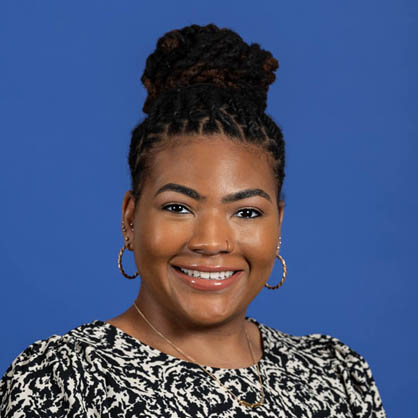
Nicolette Wise

Director, Social Determinants of Health

TennCare

Jillian Irwin

Public Health Physician and County Medical Director

Allegheny County Health Department

David Loveland

Director of Substance Use Services

Allegheny County Health Department

Cherelle Rozie

Associate Vice President, Social Health & Community Health Workers

Allegheny County Health Department

Ellen Grant

President

First Advantage Consulting

Bonnie Morning

Coordinator Operations

Wellstar

Alison Steinbacher

State Director

Findhelp

Venue

Overflow Hotel Room Block 

Wyndham Grand Bonnet Creek
14651 Chelonia Pkwy
Orlando, FL 32821
407-390-2300

JW Marriott Bonnet Creek 
14900 Chelonia Pkwy
Orlando, FL 32821
407-919-6305

HOTEL BLOCK SOLD OUT!

To purchase specially priced Walt Disney World® Meeting/Convention Theme Park tickets, CLICK HERE or call 407-566-5600 and provide group code G10141615.

Whether it’s your first visit or your 100th, we recommend reviewing the Walt Disney World® Resort Experience Updates.

CLICK HERE for Meeting/Convention Theme Park Ticket information.